


Why Georgian wine deserves your attention
Georgia is a country with a long, almost mythic winemaking history. For thousands of years, its people have been growing vines and making wine in large clay vessels called qvevri, buried in the ground — a method recently recognized by UNESCO. If you enjoy exploring wine beyond the usual French, Italian and Spanish classics, Georgian wine offers a fascinating mix of ancient techniques, native grape varieties and distinct flavors. Whether you are curious about amber (skin-contact) wines, deeply colored Saperavi reds, or pleasantly aromatic white varieties like Rkatsiteli and Mtsvane, hunting down authentic Georgian wine in Europe is a satisfying pursuit. In this guide I’ll walk you through where to look, how to verify authenticity, shipping and customs concerns, and useful tips to make buying Georgian wine online or in person easy and enjoyable.
Understanding what makes Georgian wine unique
Georgian wines are not just wines from Georgia; many are the product of specific traditional methods and indigenous grapes. Two major features to recognize are the qvevri method and the prominence of native varietals. Qvevri wines are made by fermenting and aging juice, skins and seeds together in clay vessels underground, creating cloudy, richly textured “amber” or “orange” wines when whites are treated this way. Saperavi, a teinturier grape, produces powerful, age-worthy reds with characteristic dark fruit and earthy notes. If you want authentic Georgian wine, look for producers who are transparent about their methods and list qvevri or traditional vinification on their labels.
Another practical point: Georgian wine labeling sometimes differs from the conventions used in Western Europe. Labels may include the Georgian script, the name of the appellation (for example, Kakheti, Imereti, or Racha-Lechkhumi), the grape variety, and often the term “qvevri” if the wine was produced that way. European importers usually add information required by local law, so the bottle you see in Europe should carry both Georgian producer details and the importer’s label.
Channels to buy Georgian wine in Europe
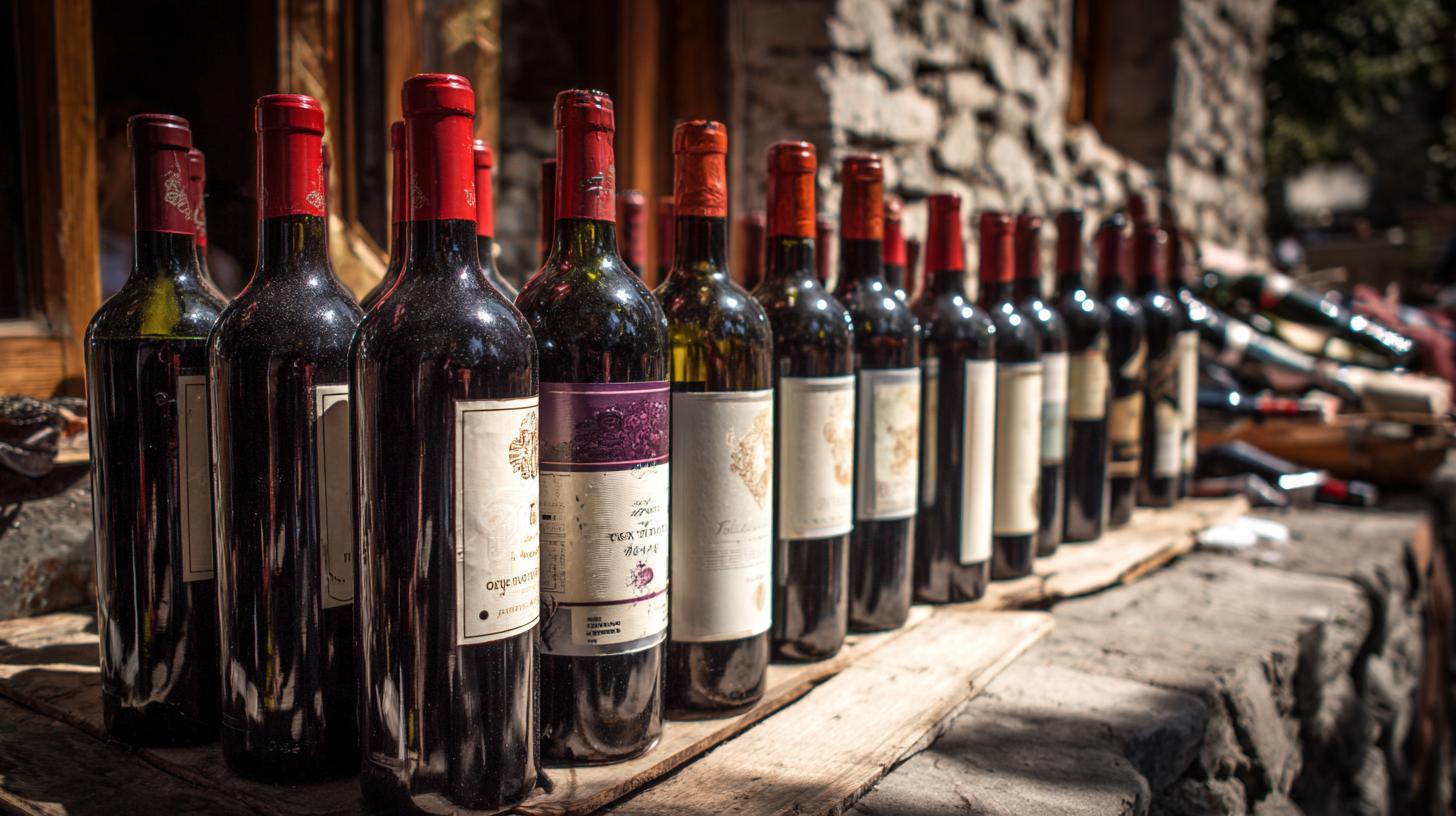
There are several reliable channels where Georgian wine appears in Europe. Each has pros and cons depending on your priorities: selection, price, immediacy, or assurance of authenticity. Below are the main avenues to explore with practical tips for each one.
Specialist wine shops and boutique retailers
Specialist wine shops in major European cities are often the best place to start. These stores tend to have staff who know their wines, can explain styles, and may carry a curated selection of Georgian producers. You’ll find a range from approachable supermarket-style brands to small artisan winemakers. Ask staff whether bottles are imported directly from Georgia or via a distributor; direct imports often yield closer contact with the producer and clearer provenance. If you want to taste before committing, many shops host tastings or will let you sample a bottle at an in-store event.
Online wine retailers and marketplaces
Buying Georgian wine online is increasingly common. There are dedicated online wine merchants who specialize in Eastern European and Caucasian wines, and larger pan-European platforms that list Georgian wines from various importers. When you buy Georgian wine online, pay attention to shipping conditions and the seller’s return policy. Look for clear photographs of the label (front and back), a detailed product description, and customer reviews. If the seller lists the importer and provides batch or lot information, that’s a positive sign of transparency. If you want to buy Georgian wine online for a tasting or a gift, check estimated delivery windows and packaging guarantees.
Direct from Georgian wineries and exporters
Many Georgian wineries sell directly to European customers through their websites or via partnerships with local importers. Larger producers usually have export operations and handle orders to EU countries more smoothly. Smaller artisan winemakers sometimes ship to Europe via freight-forwarders or dedicated international shipping programs; these options may require minimum order quantities and patience for customs. Buying direct can be one of the best ways to secure truly authentic Georgian wine because you’re dealing with the producer. Always verify shipping and duty responsibilities when ordering internationally.
Importers and distributors
European importers and distributors are the backbone of Georgian wine availability. They handle logistics, taxation, local labeling and relationships with retail partners. If you find an importer with a good reputation in your country, exploring their catalog is a quick way to see several Georgian labels at once. Distributors often list their portfolio online and may offer a corporate or event service to supply restaurants and bars. If you are buying for a store or planning a wine event, contact the importer directly for pricing and availability.
Restaurants, wine bars and tasting rooms
Restaurants and wine bars that focus on natural wines, Eastern European cuisine or eclectic global lists often carry Georgian wines. Tasting a wine in a bar or restaurant allows you to explore styles before buying a whole bottle. Some places that import Georgian wine will sell bottles on site or be able to direct you to their supplier. If you taste something you like, ask staff where they sourced the bottle — this can lead you to local importers or shops.
Wine fairs, pop-up markets and festivals
Wine fairs and food markets are excellent opportunities to meet importers, winemakers and distributors in person. Look for events focused on natural wines or regional producers. At fairs you can try multiple Georgian wines in one visit, get to meet brand representatives, and often purchase bottles at the event price. Tasting and buying on the spot is also a practical way to build a relationship with a seller who can later advise you on new releases or special bottlings.
Auctions, private collectors and secondhand sources
For older vintages or rare bottlings, auctions and private collectors can be a source, though this is a niche channel. Rarity and age affect price and provenance becomes especially important. If you consider a bottle from an auction, request documentation and a condition report. Provenance is critical for older bottles, and auctions that specialize in wine tend to offer more reliable records.
A practical comparison table: pros and cons of each channel
| Channel | What to expect | Tip |
|---|---|---|
| Specialist wine shops | Curated selection, in-person advice, occasional tastings | Ask staff about direct imports and storage conditions |
| Online wine retailers | Wide selection, door-to-door delivery, price comparisons | Check photos, reviews, shipping packaging and return policy |
| Wineries & exporters | Direct provenance, unique bottlings, sometimes lower price for bulk | Confirm shipping duties and minimum order quantities |
| Importers & distributors | Bulk supply to stores & restaurants, extended portfolios | Find local importers’ web catalogues for best overview |
| Restaurants & wine bars | Taste before buying, sometimes sell bottles on-site | Ask where they source their Georgian wines |
| Fairs & festivals | Direct contact with producers and importers, tasting opportunities | Bring a cooler bag to protect bottles if you buy many |
| Auctions & collectors | Rare or older bottles, often higher prices | Request provenance and storage history before bidding |
How to buy Georgian wine online safely and successfully
Buying Georgian wine online can be convenient, but there are practical steps to ensure you end up with what you expect. Here’s a clear, sensible list to follow before you click “purchase.”
- Verify the seller: Look for a credible web presence, customer reviews and an About page. Retailers that list their importer and storage conditions are more likely to be reliable.
- Inspect label photos: The seller should provide clear photos of the front and back label. The back label often contains importer details and required local information.
- Check shipping policy: Understand how the bottles will be packaged, shipping insurance for breakage, and the estimated delivery time. Long transit times in summer can affect delicate wines.
- Know the return policy: If a bottle arrives damaged or not as described, make sure returns or refunds are possible.
- Look for provenance details: For higher-end or older wines, ask for cellar history or storage conditions prior to sale.
- Confirm legalities: Ensure the seller is allowed to ship alcohol to your country and that you meet age verification requirements.
- Read reviews: Both product reviews and retailer reviews can reveal quality and reliability issues.
How to tell if a Georgian wine is authentic
With any regional or niche wine, the keyword “authentic Georgian wine” matters because it implies traditional methods or genuine regional origin. Here are practical markers to look for when you want authenticity:
- Producer transparency: Authentic producers describe their winemaking methods (qvevri, maceration times, indigenous yeasts) on their website or on the bottle.
- Label information: Authentic bottles usually include the producer name, region (e.g., Kakheti, Kartli, Imereti), grape variety and sometimes the term “qvevri” if appropriate. The presence of Georgian script is common, but an EU importer label should also appear for European sales.
- Certifications and appellations: Look for PDO or national certification where applicable, and any organic or biodynamic certifications if the producer claims them.
- Importer details: Credible European importers will list Georgian wineries and often translate label notes. This helps verify origin and authenticity.
- Taste and texture: Authentic qvevri wines show tannic grip and texture in whites, and pronounced fruit and structure in Saperavi reds. If a wine labeled as qvevri tastes like a typical unoaked white with no texture, it’s worth asking the seller for more information.
- Producer contact: A genuine winery will have contact details and usually responds to reasonable inquiries about winemaking and export practices.
Checklist for buying authentic Georgian wine in Europe
- Check the label for region and grape variety.
- Confirm importer and seller details are visible and verifiable.
- Request cellar or storage history for older vintages.
- Look for qvevri notation when relevant.
- Prefer sellers who provide clear bottle photos and descriptions.
- Ensure legal shipping and customs requirements are met.
- Read tasting notes and reviews from trusted wine writers or importers.
Practical considerations: shipping, taxes and customs across Europe
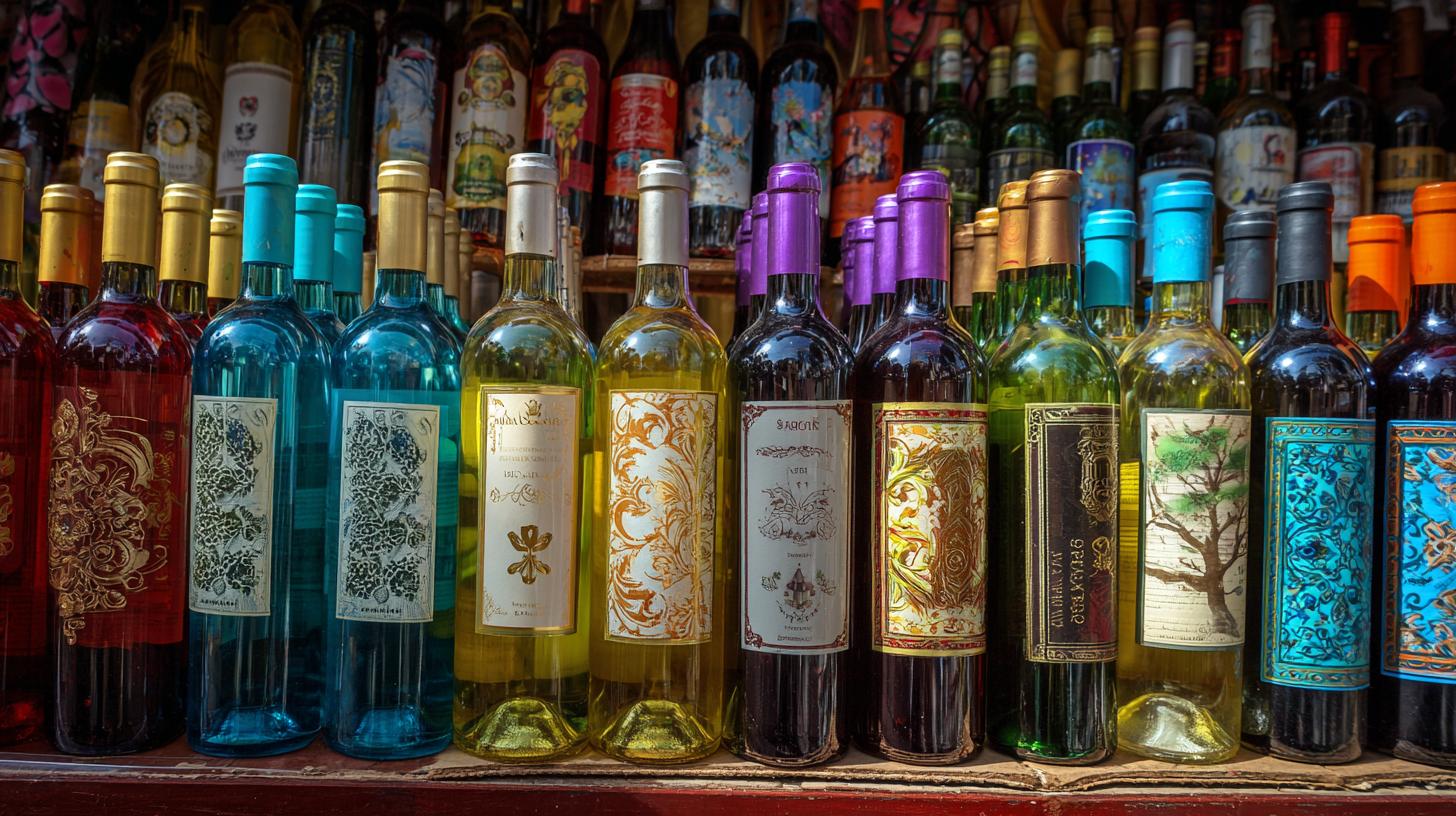
Shipping alcohol within the European Union is generally straightforward because of internal market rules, but there are still practical matters to consider. VAT and excise duty are applied at point of sale in many cases, and importers usually handle this for bottles sold in-country. When you buy Georgian wine online from another EU country, confirm whether VAT is included in the price and whether any additional duties apply.
If you are ordering to the United Kingdom or other non-EU destinations, post-Brexit customs procedures may add paperwork, duties and delays. Small artisan wineries sometimes use courier services and handle customs declarations, but this can add to the final cost. Always check the seller’s shipping FAQ and ask about any likely customs charges before placing a large order.
Additionally, shipping conditions matter for wine. High temperatures and long couriers’ warehouses can damage delicate bottles, particularly unfiltered natural wines and older vintages. Reputable sellers will offer temperature-controlled shipping windows in the summer or a delay option if shipping conditions are poor.
Geographical hubs and cities in Europe where Georgian wine is easiest to find
If you live in or travel to major European cities, chances are you’ll find good Georgian wine options. Cities with large, cosmopolitan wine markets often have specialty shops and importers who focus on Georgian labels. Consider checking the following kinds of places in urban centers: natural wine bars, independent wine merchants, Eastern European groceries with a modern twist, and restaurants with a Caucasian or Georgian menu.
Some cities have active Georgian communities or historic trade ties that make Georgian wine more available. If you are exploring while traveling, a quick call to a nearby import-focused wine shop or browsing local online marketplaces will reveal availability.
Practical tips for storing and serving Georgian wines
Storage: Treat Georgian wines like any good bottle — keep them upright short-term to avoid cork contact, or on their side for long-term storage, in a cool, stable environment out of sunlight. For qvevri and natural wines that are unfiltered and unfined, gentle handling and moderate storage temperatures are particularly important.
Serving temperature: Reds like Saperavi benefit from slight chilling, around 14–16°C (57–61°F), to open their fruit and balance tannins. White qvevri wines are often best at a slightly cooler room temperature for whites (11–13°C / 52–55°F) rather than ice-cold. If you’ve bought Georgian wine online and it arrives warm, give it time to cool to the recommended temperature before opening.
Decanting: Many Georgian reds, and some whites made with extended skin contact, benefit from decanting to let flavors open and to allow any sediment to settle. A short decant of 30 minutes to an hour often makes a noticeable difference.
Pairing: Georgian wines are famously food-friendly. Try Saperavi with grilled or roasted meats and rich stews. Amber wines and tannic whites pair well with spiced, smoky foods, grilled vegetables, and dishes with savory fat. If you want a traditional approach, pair Georgian wine with Georgian cuisine — khachapuri (cheese bread), grilled lamb and eggplant dishes are classic companions.
Where to look online: types of websites and directories

When you want to buy Georgian wine online, search strategically. Here are the categories of sites where Georgian wine often appears:
- Specialist online wine merchants: retailers that focus on small producers and natural wines frequently list Georgian labels.
- Pan-European marketplaces: larger platforms that ship across the EU can carry Georgian wines from multiple importers.
- Direct winery stores: many Georgian wineries have an e-commerce section for European or international sales.
- Distributor catalogs: importers often publish their portfolio online with links to retail partners.
- Wine clubs and subscription services: some curated wine clubs offer Georgian features or tasting boxes.
When you search, use both English and local-language terms (for example, “Georgian wine” and “gruzinskoye vino” in some Slavic markets) to uncover local retailers who may not index well in English.
Examples of what to expect in price and selection
Price varies widely depending on producer, production method and import costs. Entry-level Georgian wines can be priced similarly to mid-range European wines and are often excellent value for money. Artisan qvevri wines and limited production bottlings command higher prices. If you buy Georgian wine online from a boutique importer, factor in shipping and VAT, which can push the final price up compared to retail in Georgia.
Selection can differ by country and retailer. Larger importers will present a full portfolio (whites, reds, qvevri, sparkling), while smaller shops might focus on a few notable producers. If you want a broad range, look for specialist online shops or distributors’ catalogs that list multiple producers from different Georgian regions.
Practical list: questions to ask a seller before you buy
- Is the wine imported directly from the Georgian producer or acquired through a distributor?
- Can you provide photos of the front and back labels?
- How has this wine been stored before shipment?
- Are any import duties or additional charges included in the price?
- What is your shipping method and how do you protect bottles during transport?
- Do you offer a return or refund policy if a bottle is damaged?
- Can you provide tasting notes or production details (qvevri, maceration time, filtration)?
Where to look for the most authentic, small-batch Georgian wines
If authenticity is your priority, seek out importers and online shops that specialize in small-batch, natural and traditional producers. These curators tend to work directly with winemakers who use qvevri and traditional techniques. You will often find these wines marketed as limited editions or special releases, and descriptions will include production details — maceration times, wild yeasts, and whether the wine is filtered or fined. If a bottle claims to be “authentic Georgian wine,” check whether the producer provides clear information on method and region.
Another reliable route to authentic bottles is specialty tasting events and pop-ups focused on Georgian wines. Importers bringing small producer lists to tastings are often willing to sell limited allocations through their online shops after the event.
Tips for enthusiasts who want to build a Georgian wine cellar in Europe
If you plan to build a collection, take it step by step. Start with a few producers you like and explore different regions and methods — a Saperavi for aging, an amber qvevri white, and a lighter Imeretian wine for everyday drinking. Keep clear records of purchase date, producer, vintage and storage conditions. Working with a trusted importer gives you the option to buy by the case, often securing a better price and guaranteed allocations for new vintages. For rare bottles, confirm provenance and storage history before purchase.
Finding further resources and reliable information
There are several helpful ways to learn more and find trustworthy sellers. Look up the Georgian Wine Association and the websites of well-known Georgian producers for introductions and export partner lists. Read reviews in specialist wine blogs and magazines that cover Caucasian or natural wines. Forums and wine communities can offer first-hand buying experiences, but always cross-check facts with the retailer before purchase.
Final practical note on terminology and expectations
When searching, remember that the terms and labels may vary. Some sellers use “qvevri” and “kvevri” interchangeably; some wines are labeled by region rather than grape (for example, “Kindzmarauli” refers to a region and style). Using clear keywords when you search — and occasionally the Georgian spellings — will uncover more results. If you intend to buy Georgian wine online, it’s helpful to learn basic producer names and a few regional terms so you can compare offerings more effectively.
Finding and buying Georgian wine in Europe is an enjoyable discovery process. With a bit of preparation, you can find authentic Georgian wine through specialist shops, online merchants, trusted importers, direct contacts with wineries, or at tastings and festivals. Keep an eye on label details, ask the right questions about shipping and provenance, and enjoy the journey — Georgian wine has a lot to offer to curious palates, from textured amber whites to bold, age-worthy reds.