


Georgia is often called the cradle of wine, and once you begin to follow its winding rivers and terraced vineyards, you quickly understand why. Walking through a Georgian vineyard is like stepping into a living history book: rows of vines, some cultivated for centuries, follow the contours of the land while stone houses and ancient cellars hold the echoes of generations. For many visitors and wine lovers, the attraction is not only history but the way traditional winemaking methods intersect with modern organic practices to create wines that express place, people, and time. In recent years, curiosity has focused on natural Georgian wine and the resurgence of qvevri organic wines — wines made in large buried clay vessels — as producers both old and new aim for authenticity and sustainability.
Why Georgia? The Soil, the Climate, the People
Georgia’s geography is astonishingly varied for a relatively small country. From the humid Black Sea coastline to sun-drenched plateaus and the high Caucasus foothills, microclimates provide a broad palette for grape growing. Soils range from limestone-rich terraces to heavier clays and alluvial plains, all of which influence the grapes’ character. The human factor is equally important: many Georgian families have cultivated vines for generations, passing down techniques and an intimate knowledge of their plots. When you taste a Georgian wine, you are tasting that accumulated experience as much as the grape itself.
This landscape and long cultural relationship with wine lend themselves naturally to organic approaches. When vineyards are family-run and plots are tended with attention instead of industrialized inputs, organic viticulture becomes a practical choice as well as an ethical one. Many producers emphasize minimal intervention, letting the terroir and traditional practices shine through. That is the setting in which both natural Georgian wine and qvevri organic wines have gained renewed attention worldwide.
The Qvevri Tradition: Clay, Burial, and Time
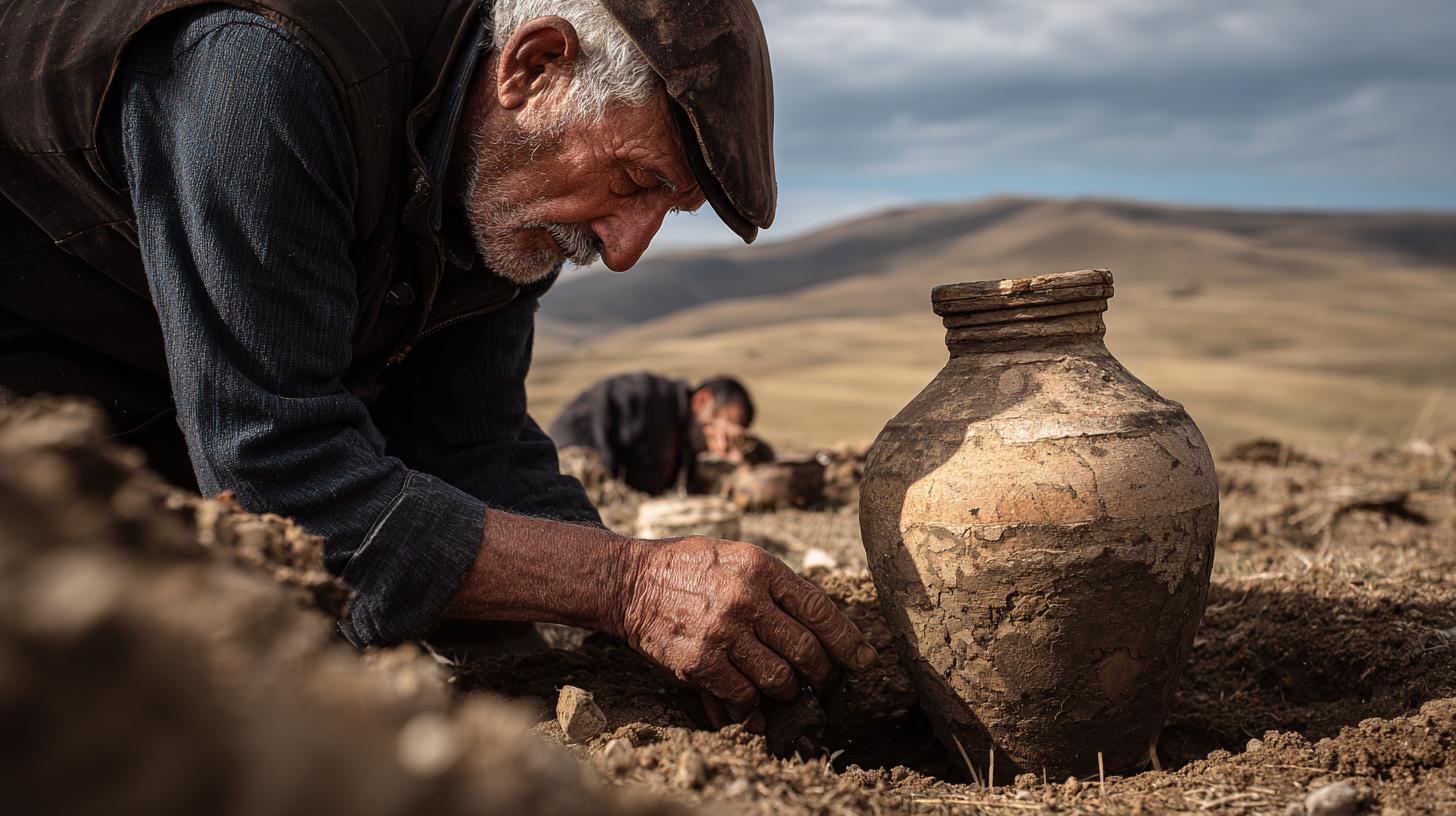
What is a qvevri?
A qvevri (also spelled kvevri) is a large, egg- or amphora-shaped clay vessel traditionally used in Georgian winemaking. These vessels are buried in the ground, where their thermal mass provides gentle, stable temperatures for fermentation and aging. Qvevri are coated on the inside with beeswax, and lids are secured with clay or stones. The method predates modern barrels and tanks and is one of the oldest known winery technologies, with evidence of its use dating back thousands of years.
Making wine in qvevri is more than a technique; it is a philosophy that prioritizes natural fermentation, skin contact for white grapes (yielding amber wines), and minimal manipulation. Because the qvevri sits in the earth, the wine matures slowly, often developing a texture and complexity that modern stainless-steel fermentation doesn’t always provide.
Qvevri organic wines: tradition meeting contemporary values
As interest in organic and natural winemaking has grown, many Georgian producers have framed the qvevri approach as inherently compatible with organic viticulture. The phrase qvevri organic wines captures this blending of methods: grapes grown without synthetic pesticides or fertilizers, fermented and aged in buried clay vessels using native yeasts and limited added sulfites (or none at all). The result can be rustic, textural, and highly expressive wines that feel tied to a particular place.
It’s important to note that qvevri alone does not guarantee organic status. A qvevri wine may be produced from conventionally farmed grapes. Conversely, grapes farmed organically can be vinified in steel tanks or barrels. When both practices come together — organic farming and qvevri vinification — the wines represent two complementary choices that prioritize authenticity and ecological sensitivity.
Defining “Natural” and “Organic” in the Georgian Context
Natural wine is a term that resists a single strict definition, and its usage varies from region to region. Generally, natural wines are made with minimal intervention: organic or biodynamic farming, native yeast fermentation, little to no sulfur, and no additives such as colorants, enzymes, or concentrated musts. Organic wines, on the other hand, are defined by the way the grapes are grown and often certified by formal organizations. In Georgia, many producers operate without formal certification but adhere to organic principles out of tradition and practicality.
When you read “natural Georgian wine” on a label or hear it described by a sommelier, it usually means the producer has chosen minimal intervention at every stage. That may involve hand-harvested grapes, spontaneous fermentation, extended maceration in qvevri, and limited filtration. The focus is on letting the vineyard and the day’s conditions dictate the wine’s character rather than imposing a standardized industrial approach.
Labels and certifications
Georgia has a regulatory framework for wine labeling, but many small producers sell locally or export in ways that don’t require extensive certification. Producers who seek formal recognition for organic farming can obtain certification through Georgian or international bodies, but costs and paperwork can be barriers for smaller families. For buyers, this means discernment is needed: some outstanding qvevri organic wines come with formal certification, while others rely on reputation and transparency between maker and consumer.
Key Georgian Grape Varieties and How They Show in Natural Wines
Georgia is home to more than 500 traditional grape varieties, many of which are not widely planted elsewhere. These native grapes are central to both natural Georgian wine and qvevri organic wines.
Rkatsiteli
Rkatsiteli is one of the most planted white varieties in Georgia. It can be made into fresh, zesty whites in stainless tanks, but in qvevri it becomes an amber or orange wine with tannic grip and dried fruit aromatics. Organic farming often amplifies its acidity and texture, creating wines that age gracefully.
Kisi
Kisi is prized for its floral aromatics and natural acidity. When fermented on skins with time in qvevri, it produces complex amber wines with a spicy lift. Kisi tends to reflect terrior strongly, making it a favorite among those seeking expressive natural Georgian wine.
Mtsvane
Often blended with other whites, Mtsvane (meaning “green”) brings herbaceous and citrus notes. In natural styles, it contributes brightness and lift, especially in qvevri blends.
Saperavi
Saperavi is a deeply colored, teinturier red variety used widely in Georgia. It can be made into a robust red that benefits from organic farming practices, which can reduce harshness and highlight minerality. In qvevri, Saperavi can develop surprising aromatics and texture, often with earthy notes.
Other local varieties
There are many others — Tavkveri, Khikhvi, Ojaleshi, and more — each offering unique traits. Exploration of these grapes is one of the joys of discovering natural Georgian wine: you encounter flavors and structures unfamiliar to more common European varietals.
How Qvevri Vinification Works — Step by Step
Many winemakers blend ancestral practice and pragmatic choices when working with qvevri. Here is a simplified walkthrough of how qvevri organic wines are typically produced:
- Harvest: Grapes are picked by hand, often sorted in the vineyard to remove damaged fruit.
- Crushing and destemming: Some producers include stems to add tannin; others remove them for a cleaner profile. Many natural Georgian wine makers use gentle crushing or whole clusters.
- Filling the qvevri: The grapes, juice, skins, and sometimes stems are poured into the buried clay vessel.
- Fermentation: Native yeasts start the fermentation. Temperature is moderated by the earth around the qvevri.
- Maceration: For white varieties, maceration on skins for days to months produces amber tones and tannic structure.
- Pressing and aging: After the desired maceration, the wine is pressed (or the must is decanted). The qvevri may be sealed and left to age for months or years.
- Bottling: Minimal filtration or none at all is common; sulfite additions vary by producer.
This process is flexible, responsive to the vintage, and closely tied to the maker’s philosophy. The “natural” label often implies that interventions are limited: no cultured yeast, no enzymes, and restricted sulfite use.
What to Expect When Tasting Natural Georgian Wine
If you’re used to conventional wines from modern cellars, natural Georgian wine can be a revelation. Expect a broader range of textures and sometimes unexpected aromas.
Aroma and flavour profile
Amber wines from skin-contact whites often show dried citrus peel, chamomile, tea, and nutty notes. Red qvevri wines can offer earthy beetroot, dark fruit, leather, and forest floor nuances. Minerality and saline notes are common in wines from limestone soils. Because producers avoid heavy manipulation, vintage variation can be pronounced: the same winery’s wines may differ year to year in response to the weather.
Texture and mouthfeel
Skin contact and the tannins that come with it give many natural Georgian wines a chewy, tactile quality. That tannic structure makes these wines particularly food-friendly, able to stand up to rich flavors and fatty textures.
Food Pairings and the Georgian Table
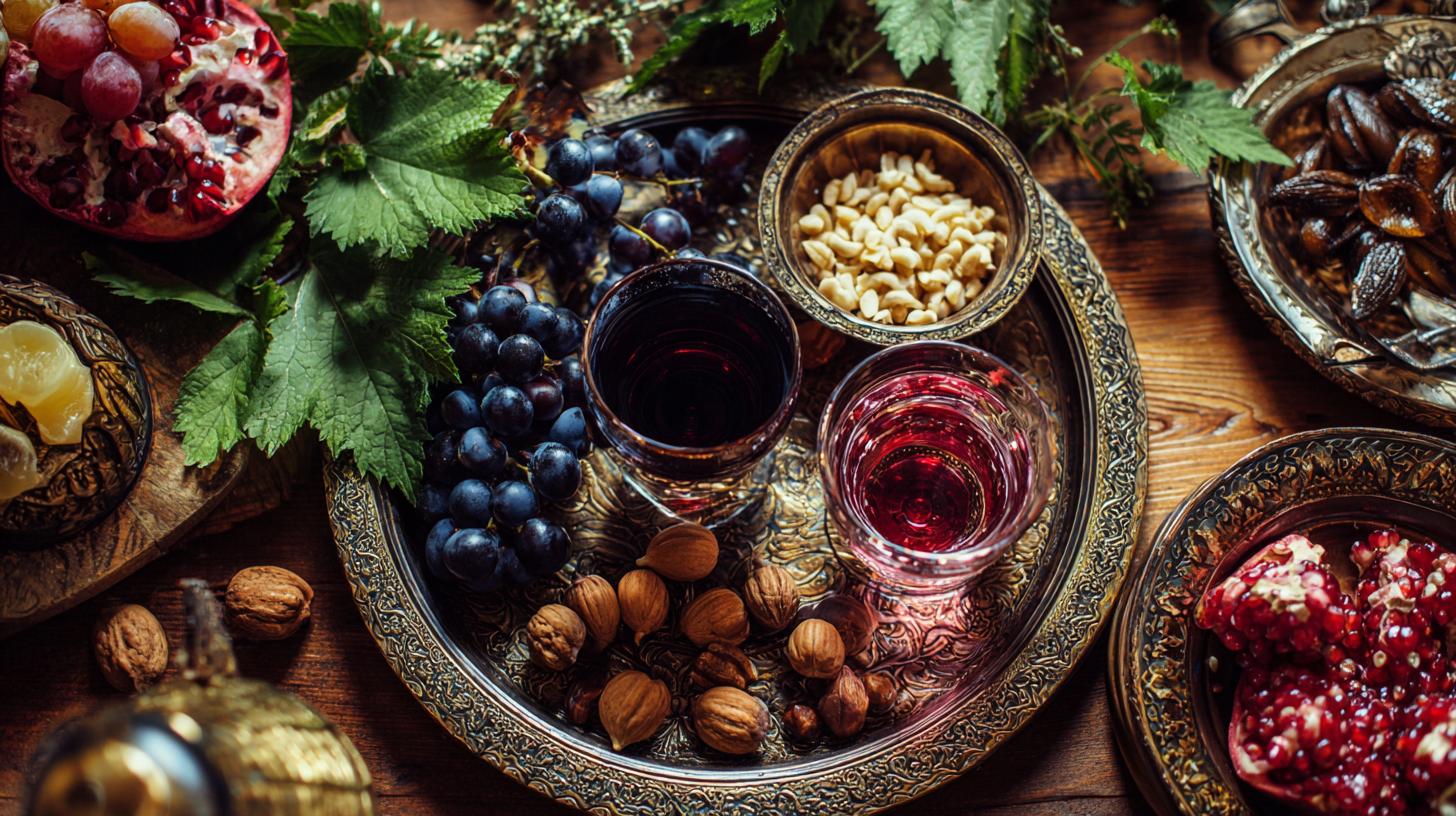
Georgia has a vibrant culinary culture that pairs beautifully with its wines. Traditional Georgian dishes — khachapuri (cheese-filled bread), khinkali (dumplings), stews with herbs and walnuts — find partners in local wines that balance acidity, tannin, and savory notes.
- Khachapuri and amber Kisi: The cheese’s fat balances Kisi’s tannins and floral lift.
- Grilled meats and Saperavi: The peppery, dark-fruit qualities of Saperavi handle grilled or roasted meats well.
- Herb-heavy dishes and Mtsvane blends: Fresh herbs and citrusy whites harmonize with these lively wines.
- Spicy stews and tannic qvevri reds: Tannic structure cuts through spice and fattiness, clearing the palate.
One of the pleasures of tasting natural Georgian wine is discovering how rooted these pairings feel: many combinations have evolved alongside one another for centuries.
Regions and Wineries: Where to Seek Natural and Organic Examples
Georgia’s principal wine regions include Kakheti, Kartli, Imereti, and Racha-Lechkhumi, each with its own climatic and soil fingerprints. Many innovative producers committed to organic viticulture and qvevri vinification are concentrated in Kakheti, where vineyard density is high, but you can find smaller-scale experiments and historic practices across the country.
| Region | Character | Notable grape varieties | Why visit |
|---|---|---|---|
| Kakheti | Warm, continental with river valleys | Saperavi, Rkatsiteli, Kisi | High density of producers, many qvevri cellars, wine tourism infrastructure |
| Imereti | More humid, rolling hills | Tavkveri, Tsitska, Tsolikouri | Small family wineries, experimental natural winemaking |
| Kartli | Central plains, mixed soils | Rkatsiteli, Saperavi | Traditional methods and lesser-known local styles |
| Racha-Lechkhumi | Cooler, mountainous | Ojasheli, Aleksandrouli | High-altitude viticulture, unique grape expression |
Many wineries welcome visitors and offer tastings; the experience is often familial and intimate. If you go, ask about organic practices and whether they produce qvevri organic wines. Producers who farm organically usually appreciate the chance to explain their work in the vineyard.
Challenges and Misconceptions
There are practical and perceptual challenges tied to natural Georgian wine and qvevri organic wines. Understanding them helps appreciate the choices winemakers make.
Stability and shelf life
Natural wines with little or no added sulfur can be more fragile. They may oxidize faster or exhibit changes in bottle over time. This isn’t a flaw so much as a consequence of fewer preservatives and more living, evolving wines. Proper storage and shorter cellaring horizons are sensible for many natural Georgian wine bottles.
Variation between bottles and vintages
Because natural production often embraces native yeasts and limited filtering, bottles from the same vintage can show variation. This is part of the charm for many enthusiasts but can disappoint those expecting consistent, uniform profiles.
Labeling transparency
As noted earlier, not all producers use formal organic certification. That means trusting reputation, importers, and direct communication. When buying, look for producers who are transparent about their practices, or seek wines from reputable importers who vet their sources.
Buying Tips: How to Choose and Store Natural Georgian Wine
Natural Georgian wine and qvevri organic wines are increasingly available in international markets, but selection can be uneven. Here are practical tips for selecting and enjoying these wines.
- Buy from trusted retailers or importers who specialize in natural or Georgian wines. They tend to provide useful notes about producers’ methods.
- Read labels carefully: some will say “qvevri” or “kvevri,” while others emphasize “organically farmed” or “natural.”
- Ask about sulfite levels if that matters to you. Many natural producers use small amounts; a few add none.
- Store bottles upright for a short period, or horizontally for longer cellaring; keep cool and away from light.
- Open bottle earlier than you might for heavily oaked wines; natural wines are often ready to enjoy young, though some age beautifully.
For those new to Georgian styles, a tasting flight experience — sampling an orange Rkatsiteli, an amber Kisi, and a Saperavi treat — can quickly build understanding of the range on offer.
Environmental and Social Impact: Beyond “Organic” Labels
Organic farming in Georgia is often a conscious return to practices that respect soil health and biodiversity. Small-scale vineyards that avoid chemical pesticides and synthetic fertilizers create habitats for beneficial insects and reduce runoff, benefiting surrounding ecosystems. Qvevri vinification, being low-energy and relying on passive thermal regulation, can be less resource-intensive than some mechanized cellar operations.
Socially, organic and natural winemaking can sustain family economies and local knowledge. As interest in qvevri organic wines grows on international markets, there are opportunities for communities to add value to their grapes. At the same time, producers must balance commercial demand with maintaining traditional practices and avoiding overexploitation.
Stories from the Cellar: Voices of Georgian Winemakers
Visiting small producers, you’ll hear recurring themes: pride in ancestral methods, careful stewardship of vineyards, and an openness to experimentation. Some winemakers are elderly custodians of a family qvevri, while younger vintners blend old techniques with modern environmental science. A typical conversation might start with soil and slope before turning to fermentation choices, and it usually ends with a shared meal and a poured glass.
These stories are not uniform. Some winemakers adopt certified organic regimes and biodynamic principles; others follow informal, time-honored practices without paperwork. Both pathways contribute to a vibrant wine culture, and both can produce excellent examples of natural Georgian wine.
Pairing Travel with Wine: Practical Advice for Visiting Georgia
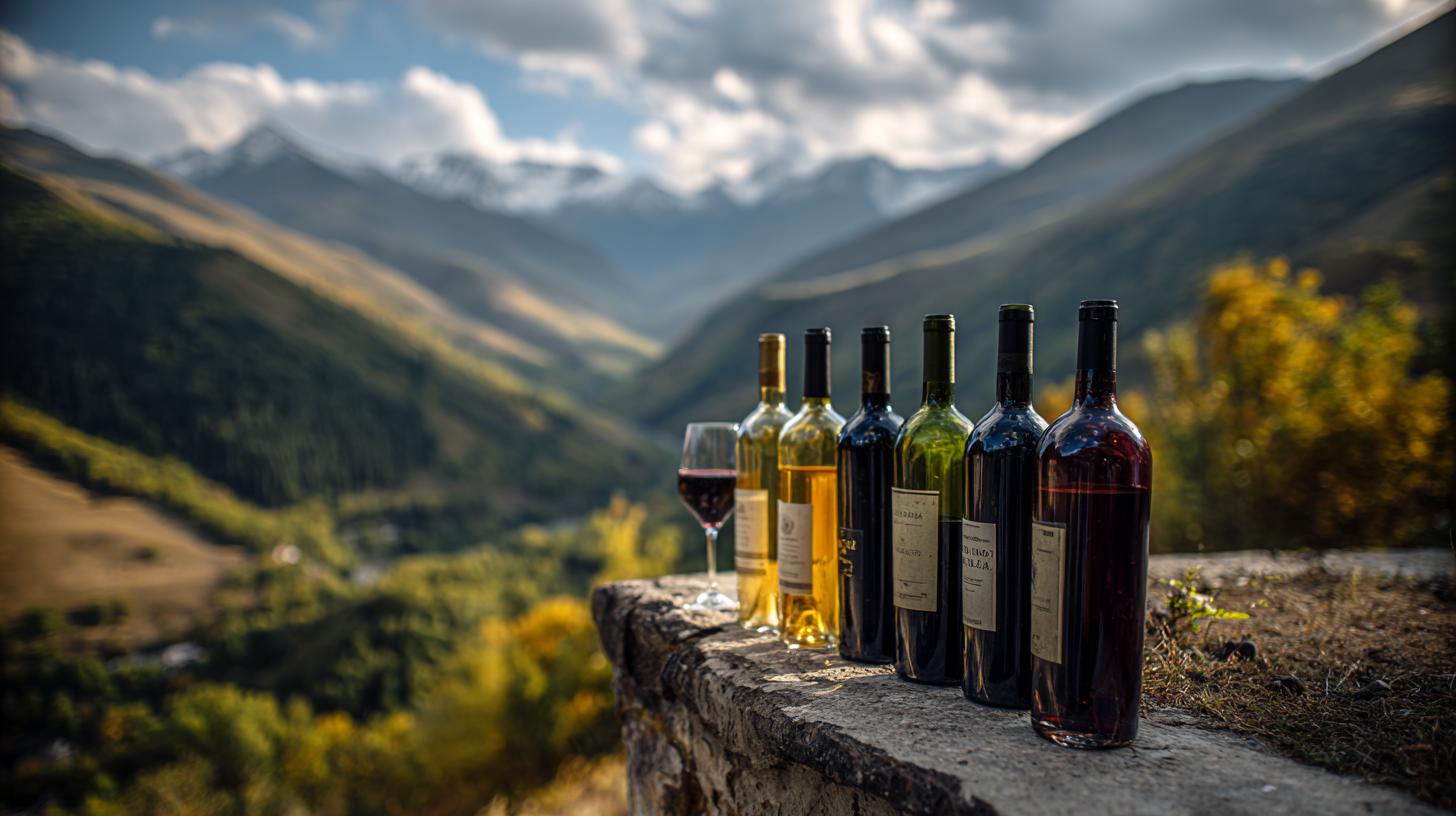
If you plan to travel to Georgia for wine experiences, prepare for something different from mainstream wine tourism. Visit with curiosity and an open palate.
- Plan visits in advance for smaller producers: many are family operations and need notice for tours or tastings.
- Hire a local guide or join a structured wine tour if you prefer organized travel; guides can translate and provide regional context.
- Stay in guesthouses or townhouses near vineyards to get a feel for local life and food pairings.
- Bring a notebook or camera — producers often share stories you’ll want to remember.
- Buy bottles at the winery if you can. Some wines are produced in limited quantities and may not reach foreign markets.
A trip focused on qvevri organic wines often includes meals at supra-style gatherings (the Georgian feast), where wines are tasted in sequence and the conviviality of sharing is part of the tasting experience.
Questions to Ask When Visiting a Winery
When you’re at a Georgian cellar or vineyard, these questions open conversation and reveal the producer’s approach:
- Do you farm organically or follow biodynamic practices?
- Do you use qvevri for fermentation or aging? Are the qvevri new or old?
- Do you add sulfites? If so, how much and when?
- What grapes do you grow and why do you prefer them for this site?
- How do you approach vintage variation and bottling?
Most producers appreciate curiosity and will discuss their choices openly.
Common Myths and How to Approach Them
There are misunderstandings about natural and qvevri wines that are helpful to clear up.
Myth: Qvevri wines are always “funky” or flawed
While natural fermentation can produce unconventional aromas, most qvevri wines are intentionally expressive rather than faulty. A musty or vinegar-like aroma can indicate a problem, but a complex, savory note is often a hallmark of extended skin contact and earth-driven fermentation.
Myth: Organic means no intervention at all
Organic viticulture focuses on growing grapes without synthetic chemicals, but winemakers still make choices in the cellar. “Minimal intervention” describes a range of practices: some producers add small sulfite doses, others filter lightly, and some accept a bit more manipulation to stabilize the wine for transport. The key is transparency: producers who communicate their methods help consumers make informed choices.
How the Global Market is Responding
Interest in unique, authentic wines has boosted demand for natural Georgian wine and qvevri organic wines in markets from Europe to North America. Small importers and sommeliers often lead the charge, bringing bottles to wine bars and adventurous restaurants. This new interest incentivizes producers to bottle more of their qvevri-made wines and sometimes to formalize organic certification to reach additional customers.
However, expanding into global markets brings pressure to scale production without losing the qualities that make these wines special. Many producers navigate this by keeping qvevri lines as small-batch offerings while scaling other products for wider distribution. For consumers, the result is more access to interesting bottles without overwhelming commercialization.
Practical Guide: A Short Glossary
| Term | Meaning |
|---|---|
| Qvevri | Large buried clay vessel used for fermentation and aging |
| Amber/Orange wine | White wine made with extended skin contact, producing deeper color and tannin |
| Natural wine | Wine made with minimal intervention in vineyard and cellar |
| Organic wine | Made from grapes grown without synthetic chemical fertilizers or pesticides |
| Terroir | The combined effect of soil, climate, topography, and human practices on wine |
How to Taste and Appreciate These Wines
To enjoy natural Georgian wine, adopt a few simple habits. Pour modest portions and give the wine time to open; some qvevri wines are introspective at first but reveal complexity with air. Don’t be surprised if tannins show differently from conventional wines — treat them as texture rather than a defect. Pair the wines with food; natural wines often shine alongside rustic, flavor-rich dishes. Finally, accept variation as part of the experience: differences between bottles or vintages can be part of the wine’s story.
Looking Ahead: The Future of Qvevri Organic Wines in Georgia
The trajectory for qvevri organic wines is one of cautious optimism. Increased global interest creates economic opportunities, while a growing community of environmentally minded winemakers preserves and refines methods that align with both tradition and sustainability. Challenges remain: certification costs, market pressures, and the need for infrastructure in rural areas. But the resilience of family growers and the adaptability of young producers suggest a future where both tradition and innovation sustain each other.
Ultimately, the appeal of natural Georgian wine and qvevri organic wines is not just their flavor but what they represent: a connection to place, a careful stewardship of land, and an honest transmission of culture through every bottle. Whether you are a wine professional, an enthusiastic amateur, or someone curious about how ancient practices adapt to modern environmental values, exploring these wines offers both education and enjoyment. Open a bottle, listen to the story it tells, and make room at the table — Georgian wines are an invitation to savor history, community, and the subtleties of the earth itself.