


Georgia is a country that quietly insists on being noticed. If you have never tried Georgian wine, you are standing at the edge of a very old and lively tradition, one that stretches back thousands of years and still shapes how many Georgians cook, celebrate, and sit together at the table. This article is written as an intro to Georgian wine, aimed at anyone curious about exploring bottles that are approachable without being simplified. If you are new to wine — or specifically searching for a beginner Georgian wine — this guide will walk you through history, grape varieties, styles, tasting tips, food pairings, and recommended bottles to purchase. I’ll keep things practical and conversational: imagine us standing in a wine shop together, reaching for labels and asking the helpful questions that make choices easier.
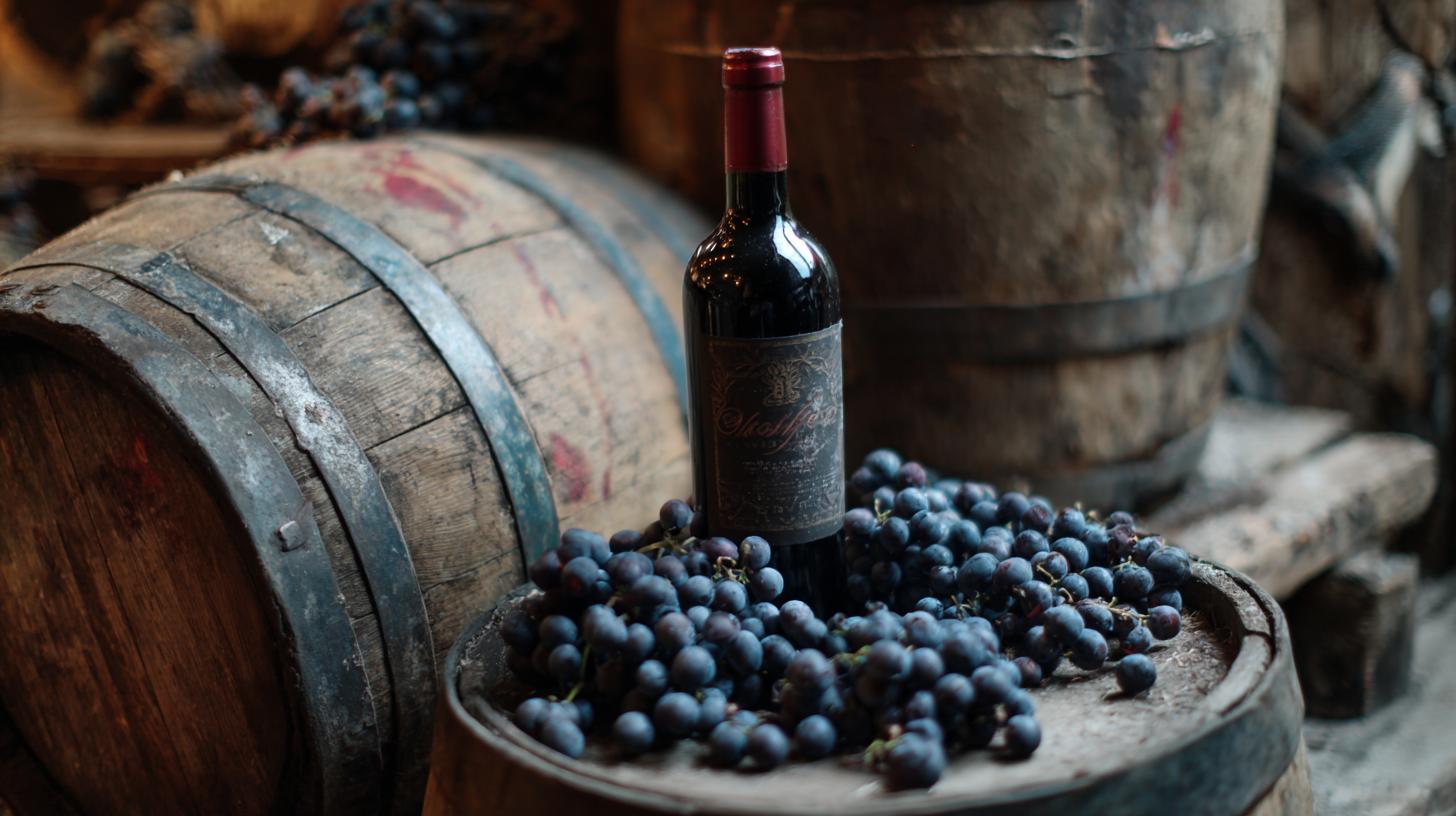
What makes Georgian wine distinctive is an interplay of tradition and terroir. Many vineyards still use qvevri — large earthenware vessels buried in the ground — to ferment and age wines, producing textures and flavors that are immediate and textured. Yet Georgia also makes clean, modern wines in stainless steel and oak. That variety means an intro to Georgian wine can be tailored: you can taste familiar elements (crisp whites, structured reds) alongside unique forms (orange wines made with extended skin contact). As a beginner, you don’t need to understand everything at once; the goal here is to give you a friendly map so you can taste with confidence and curiosity.
Why Georgian wine matters — a short cultural and historical snapshot
Georgia is often called the birthplace of wine, an idea supported by archaeological finds of ancient wine production going back 8,000 to 8,000+ years. That history isn’t a gimmick; it’s woven into daily life. Georgian table rituals, called supra, center around sharing food and wine. Understanding this cultural story gives depth to the act of opening a bottle: you’re participating in something that has longstanding social and agricultural roots.
For a practical beginner Georgian wine perspective, the important takeaway is that the country has many indigenous grape varieties not commonly seen elsewhere. Some of these grapes produce wines that feel familiar — bright acidity, red-fruit aromatics, clean whites — while others push you toward new textures and flavors: tannic orange wines, mineral whites with savory notes, and reds with smoky or herbal edges. Approaching these wines with openness helps you enjoy the variety without feeling obligated to “understand” everything at once.
Regions and what they typically produce
Georgia’s wine regions each have a personality. Knowing the region can help you predict what to expect in the glass.
Kakheti
The most famous Georgian wine region, Kakheti sits in the east and produces many widely available wines. It’s home to both qvevri and modern cellars. Expect Saperavi reds (deep, fruity, ageworthy) and Rkatsiteli or Kisi whites (crisp, aromatic, and often used for qvevri orange wines). For a beginner Georgian wine journey, Kakheti is a good starting point because it offers a broad spectrum from familiar to adventurous.
Kartli
Closer to the capital, Kartli makes lighter wines that are often more approachable in price and style. It’s a great place to find easy-drinking table wines.
Imereti
In western Georgia, Imereti produces more delicate and floral styles, often bottled as lighter whites and reds. Winemaking here uses shorter qvevri contact more frequently, producing softer textures. Imereti wines can be a gentle introduction to indigenous varieties.
Racha-Lechkhumi & Kvemo Svaneti
Colder and higher elevation regions like Racha-Lechkhumi are known for refined, sometimes lighter-bodied wines, including crisp white varieties and delicate reds. These are often elegant and interesting for anyone exploring beyond the basics.
Adjara and the Black Sea Coast
Here you will find fresh, acidic whites and some interesting local grape expressions shaped by maritime influence. It’s a less internationally familiar region, but worth sampling if you want to expand your palate.
Key grape varieties to know
A beginner Georgian wine exploration becomes easier when you know a few grape names and what they typically deliver. Below are some approachable varieties to look for.
- Saperavi — Georgia’s most famous red grape. Deep color, good acidity, and flavors of dark cherry, plum, and sometimes tobacco or earthy undertones. Saperavi produces wines that can be both immediate and long-lived. For beginners, look for younger Saperavi for fruity, friendly versions.
- Rkatsiteli — A versatile white grape that can be crisp and citrusy or richer when vinified in qvevri. Expect high acidity, green apple, and mineral notes. It’s a common entry point for intro to Georgian wine fans because it often balances familiarity with local character.
- Kisi — An indigenous white that sometimes provides weight and spice. Often used in qvevri orange wines, Kisi can surprise with flavors of dried citrus, chamomile, and warm spices.
- Mtsvane — A fragrant white variety, sometimes labeled Mtsvane Kakhuri. Look for floral aromas, ripe orchard fruit, and a juicy profile that’s easy to enjoy.
- Khikhvi — A lighter white grape that produces pale, delicate wines with aromatic nuance. Good for those who prefer subtlety rather than power.
- Ojaleshi — A red grape from western Georgia, producing softer red wines with red fruits and spice. It’s approachable and often lower in alcohol.
- Chinuri — A white grape used for sparkling as well as still wines; bright and fresh with lemon and green apple characters. Useful for those curious about Georgian bubbles.
Styles you’ll encounter and what to expect
One of the joys of exploring Georgian wine is encountering a rich variety of styles. Here’s a practical breakdown so you can know what to expect when you pull a cork.
Classic still whites
These are vinified in stainless steel or neutral containers and offer clean fruit, bright acidity, and minerality. For a beginner Georgian wine, these are often the easiest entry points: predictable, refreshing, and food-friendly. Rkatsiteli and Mtsvane often appear in this style.
Orange (amber) wines
Made by fermenting white grapes on their skins, sometimes in qvevri, orange wines are richer and tannic compared to classic whites. They can have nutty, tea-like, and dried-fruit notes. For an intro to Georgian wine, try a subtle orange wine first — some producers make shorter macerations that provide texture without overpowering tannins.
Qvevri-aged wines
Qvevri wines can be white, orange, or red, and the vessel contributes earthy and sometimes oxidative notes, along with a unique textural profile. Beginners may find qvevri wines fascinating: they often feel rustic and soulful. If you’re not ready for strong oxidative character, choose producers known for a more restrained style.
Red table wines
Saperavi dominates here, but Georgian reds can range from robust and tannic to lighter and peppery. Saperavi is often recommended for beginner Georgian wine drinkers seeking a red that balances fruit and structure.
Sparkling and semi-sweet wines
Chinuri-based sparkling wines and semi-sweet styles exist, as Georgia has both traditional and modern methods for effervescence. Semi-sweet wines can pair wonderfully with desserts or spicy cuisine, and they’re an accessible entry point for those who prefer a touch of sweetness.
How to taste Georgian wine — a step-by-step approach
Tasting is how you learn. Below is an easy, practical method that helps you focus on what’s happening in the glass without feeling intimidated.
- Pour a modest sample — about two fingers in a wine glass is enough. This allows you to swirl and nose the wine comfortably.
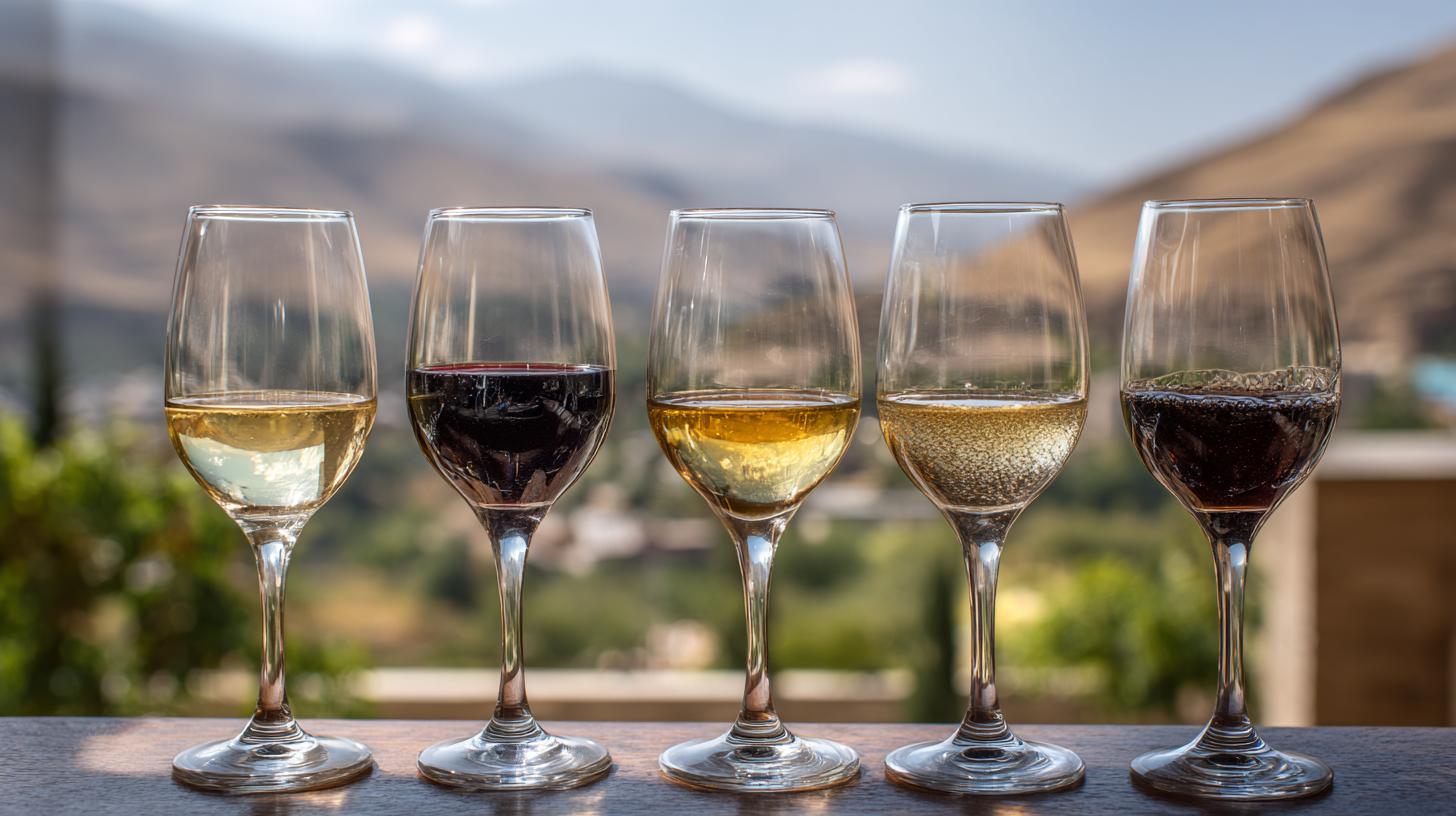
- Look at the color. Hold the glass to the light. Reds like Saperavi will be deeply colored; orange wines will have a amber or deep copper hue; whites can range from pale straw to golden.
- Swirl gently and inhale. Try to identify primary scents: fresh fruit (apple, citrus), red berry, dried fruit, floral notes, spice, or savory/earthy aromas. With qvevri wines, you may notice earthy, nutty, or tea-like elements.
- Take a small sip and let the wine spread across your palate. Note the texture (silky, tannic, oily), the acidity (crisp, soft), and the finish (short, medium, long).
- Think about what the wine makes you imagine: a fruit, a spice, or even a place. There are no wrong answers — use language that makes sense to you.
- Return to your notes after a few sips — flavors evolve in the glass, especially with wines made using qvevri or extended skin contact.
Practical buying guide: what to look for on the label
Labels can be mixed between Georgian and English, and sometimes Georgian script will appear. Here are sensible things to check so you pick a bottle you’ll enjoy.
- Grape name — If you see Saperavi, Rkatsiteli, Kisi, Mtsvane, Chinuri, or Ojaleshi, you can begin to anticipate the general style. Look up names quickly on your phone if needed. This helps when choosing a beginner Georgian wine.
- Region — Kakheti is a reliable reference for many mainstream producers; Imereti and Kartli indicate lighter or region-specific styles.
- Winemaking notes — Some labels will say “qvevri,” “amber,” “orange,” “skin-contact,” “stainless steel,” or “oak.” These words give a clear signal of style. If you prefer a clean white, avoid “amber” or “qvevri” for your first bottle.
- Producer reputation — Emerging Georgian producers like Pheasant’s Tears, Teliani Valley, Kindzmarauli, Schuchmann, and others have international distribution. Look for a producer with consistent reviews if you want a safer choice for a beginner.
- Alcohol — Most Georgian wines are in a typical wine-alcohol range (around 11–14%). Extremely high levels may signal concentrated, ripe styles; very low levels might denote lighter, spritzy or country table wines.
Serving and storage basics
Serving temperature and simple storage will help each bottle express itself.
Temperature guide
White wines and sparkling wines: 7–12°C (45–54°F). Slightly warmer for richer whites.
Orange and qvevri whites: 12–14°C (54–57°F).
Red wines: 14–18°C (57–64°F) — lighter reds can be served on the cooler end.
Decanting
Red Saperavi can benefit from decanting if it’s tannic or young. Several qvevri reds or orange wines with sediment may also open with an hour of decanting. If a wine has an oxidative character, short exposure to air can soften aromatics but prolonged exposure may diminish fruit — taste along the way.
Storage
Keep bottles horizontally if you plan to store them for months; store in a cool, dark place away from bright lights and temperature extremes. Many Georgian wines are meant to be enjoyed young, but some Saperavi and certain estate bottlings age wonderfully.
Food pairings — simple and delicious matches
Georgia has a glorious food culture that pairs seamlessly with its wines. If you’re exploring beginner Georgian wine, try some classic pairing ideas that will give you immediate satisfaction.
- Rkatsiteli and fresh cheeses — Crisp whites match fresh cheeses, salads with herbs, and lighter poultry dishes.
- Saperavi and grilled meats — Try Saperavi with grilled lamb, beef, or rich stews. The acidity and tannin handle fat and protein well.
- Orange wines and spicy or fermented dishes — The tannin and textural weight in orange wines work beautifully with spiced cuisine, roasted vegetables, or fermented items like kimchi-style salads.
- Chinuri sparkling and fried foods — Sparkling wine is a universal friend to fried, salty flavors and works well with Georgian breads and pastries.
- Semi-sweet Georgian wines and desserts — Pair semi-sweet styles with fruit-based desserts or milder local sweets.
Beginner-friendly bottles and what to expect from them
Below is a practical table listing approachable Georgian wines. These are selected with beginners in mind: clarity of style, availability, and a good balance between tradition and approachable flavors. Note that availability and vintages vary by market; use this table as a springboard for exploration.
| Producer / Wine | Grape(s) | Style | Region | Taste profile | Price range (USD) |
|---|---|---|---|---|---|
| Pheasant’s Tears – Rkatsiteli | Rkatsiteli | Still white (often qvevri) | Kakheti | Citrus, green apple, mineral, light tannin if qvevri-aged | 15–30 |
| Teliani Valley – Saperavi | Saperavi | Red, modern oak or stainless | Kakheti | Dark fruit, spice, approachable tannins | 10–20 |
| Kindzmarauli Marani – Saperavi | Saperavi | Red (semi-sweet options exist) | Guria / Kakheti | Rich berries, smooth, some versions sweeter | 12–22 |
| Shumi – Kisi | Kisi | Amber/skin contact | Kakheti | Dried citrus, herbal spice, textured | 12–25 |
| Tbilvino – Rkatsiteli / Mtsvane | Rkatsiteli, Mtsvane blends | Fresh white | Kakheti | Floral, green apple, easy-drinking | 8–15 |
| Baia’s Vineyard – Chinuri (sparkling) | Chinuri | Sparkling | Kartli | Crisp citrus, floral, refreshing bubbles | 12–20 |
| Orgo – Saperavi | Saperavi | Red, natural/low intervention | Kakheti | Dark fruit, earthy, food-friendly | 15–30 |
| Usakhelouri (small producers vary) | Usakhelouri | Red, varietal and artisan | Lechkhumi | Red berries, delicate tannins, lower alcohol | 20–40 |
| Guliani – Ojaleshi | Ojaleshi | Red | Samegrelo/West Georgia | Red cherry, spice, approachable body | 10–20 |
| Schuchmann – Rkatsiteli | Rkatsiteli | Still white / modern style | Kakheti | Bright acidity, citrus, clean finish | 12–22 |
Common myths and misunderstandings
As Georgian wine grows internationally, a few myths have developed. Let’s clear them up so you feel confident choosing bottles.
Myth: All Georgian wines are funky and musty
Not true. Georgian wines include clean, modern styles as well as traditional qvevri wines. Some qvevri bottles do carry oxidative or earthy notes, but many producers make fresh, aromatic wines that align with broader wine expectations.
Myth: Orange wines are difficult to enjoy
Orange wines vary. Some are tannic and structured, while others are lighter and more accessible. For a beginner Georgian wine approach to orange wines, try a shorter maceration and see how the texture and flavors appeal to you.
Myth: Georgian wines are always high alcohol or too rustic
Georgia produces a wide range. Alcohol levels and winemaking styles vary by region and producer. You can find balanced, elegantly made wines as well as more rustic expressions.
Tips for tasting sessions and hosting friends
If you want to host a tasting that includes Georgian wine, consider these friendly ideas.
- Keep the flight small: three to five wines is enough. A clean white, an orange wine, and a Saperavi give contrast and conversation.
- Provide simple palate cleansers: plain bread, unsalted crackers, and mild cheeses. Strong flavors can dominate taste impressions.
- Label the wines and encourage notes. A simple sheet where guests jot one word for aroma and one for taste makes discussion lively.
- If someone is hesitant about orange wine, pair it with a citrusy salad or roasted vegetables; the pairing often reveals new sides to the wine.
- Consider a blind element: cover labels and guess grapes and styles. It’s a playful way to learn fresh impressions without preconceptions.
Where to buy Georgian wine and how to expand your collection
Availability varies widely. In many cities, specialty wine shops that focus on natural wine and Eastern European imports will stock Georgian bottles. Online retailers and some larger stores with international sections also carry Georgian wines. If you find a reliable importer or a local store with a contact person who understands these wines, develop a relationship — they can order specific bottles or recommend producers that fit your taste.
When building a small collection, include at least one white, one orange (or qvevri) wine, and one Saperavi red. That trio gives you a range for food pairing and tasting. Buy one bottle from a trusted producer and one from a smaller, less-known estate to compare how different practices affect the wine. Over time, you’ll notice which producers’ styles you prefer and can focus purchases accordingly.
Words of encouragement for new tasters
If you’re just starting an intro to Georgian wine, remember that wine appreciation is a personal journey. It’s fine to like a wine for reasons that aren’t “correct” by critics’ standards. Georgian wines reward curiosity. Some bottles will feel familiar and comforting; others will challenge you — both experiences are valuable. Taste with friends, pair wines with food you enjoy, and let your preferences guide you. Over time, you’ll build a palate and a small list of producers and styles you return to.
Beginner Georgian wine exploration can be surprisingly accessible. Start with a few modestly priced bottles, try them in different food contexts, and take notes. The more you taste intentionally, the better you become at articulating what you like. Georgian wine is willing and ready to reveal itself through repetition and relaxation — have fun with it.
Further learning resources
If you want to dive deeper, consider these approachable next steps: visit wine bars that specialize in Eastern European or natural wines, attend a guided tasting, read books and magazine features on qvevri winemaking, and follow producers and importers on social media for vintage updates and tasting notes. Many Georgian wineries also post educational material about their vineyards and processes, which can be reassuring for new tasters.
Take this article as your first map. Taste with curiosity, ask questions at the shop, and keep track of what you enjoy. Whether you favor a fresh Rkatsiteli, a subtle orange Kisi, a sparkling Chinuri, or a fruit-forward Saperavi, Georgian wine offers many friendly doorways into a very old and rich world. This intro to Georgian wine is just the start — the best way to learn is to taste, discuss, and enjoy the stories in each bottle.